WHAT ARE HANDICRAFT ITEMS
Many talented people are able to manually create astonishing products, which beauty highly overcomes the conventional industry manufacturing. This production requires time, patience, manual skills, and is often tradition that has been passed down through generations.
Categories of handicraft
The handicraft items can be made from various resources and materials:
TEXTILE
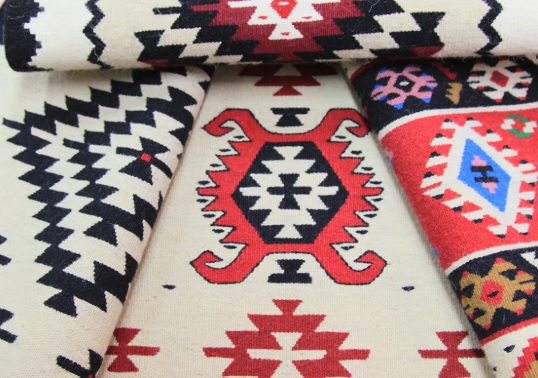
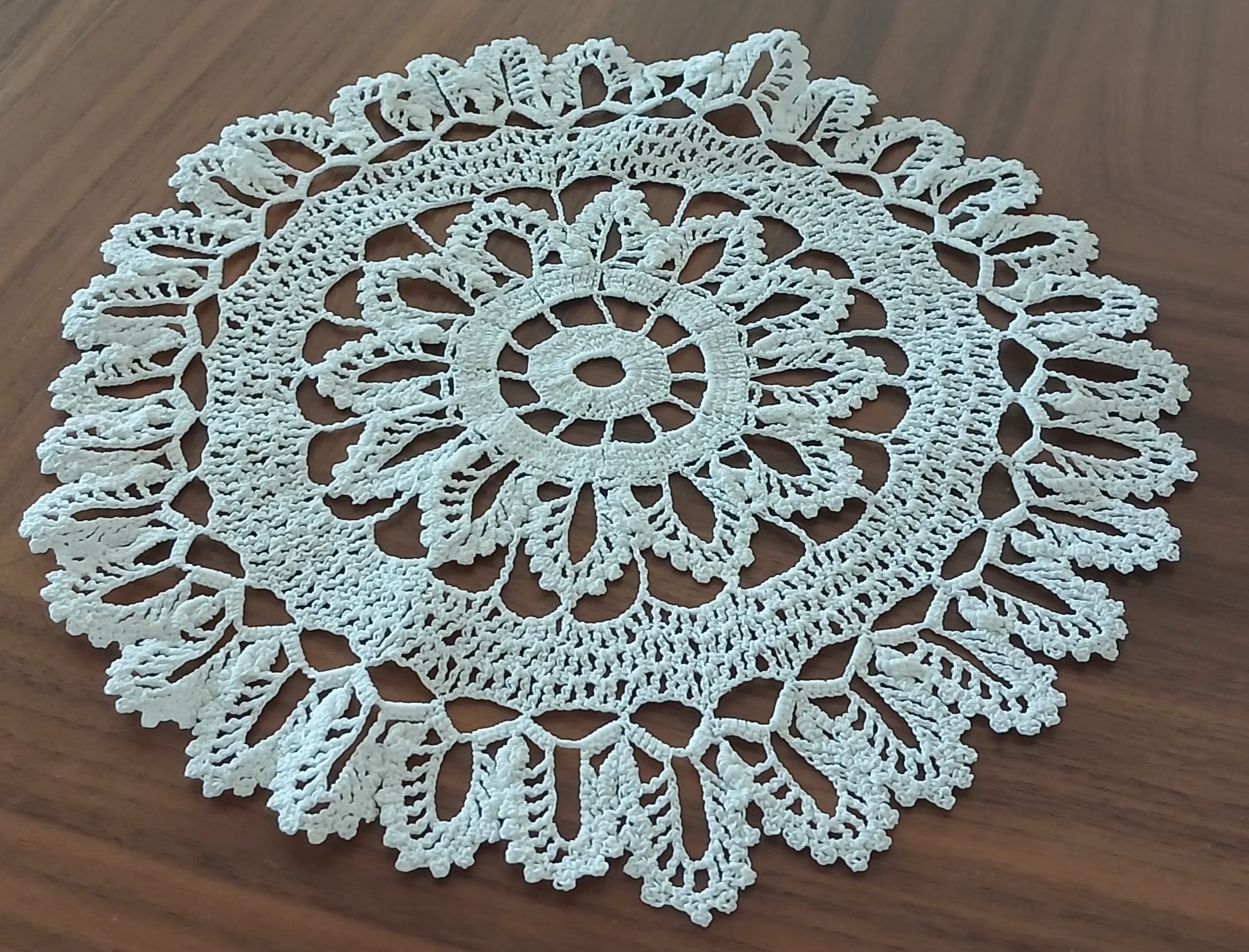
- The textile creativity of women in Serbia represents an important aspect of national cultural heritage, in which traditional crafts and the public presentation of craft skills are intertwined.
- The special part of products represent hand embroidery, which are unique decoration and national traditional symbol.
- Textile items include (but are not limited to): tablecloths, carpets (“ćilim”), clothes, personal accessories, etc.
- The Pirot rug is made exclusively from wool, obtained from the “pramenka”, an indigenous type of sheep that lives in the Balkans.
WOOD
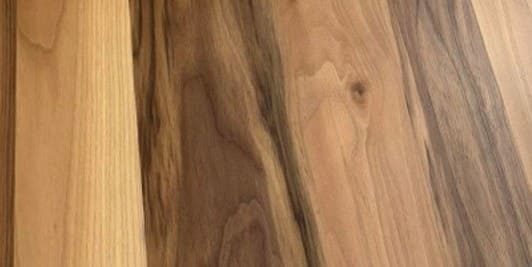
- Wood is a natural material which gives a sense of nature to every interior space. Wood’s natural beauty and warmth can highly enhance the aesthetic appeal of a structure.
- Wood generally can be observed as a renewable source, if properly managed and harvested.
- Skilled craftsmen are able to create various items from wood like furniture, luminaires, kitchen accessories, children’s toys, outdoor furniture, etc..
STEEL AND METAL
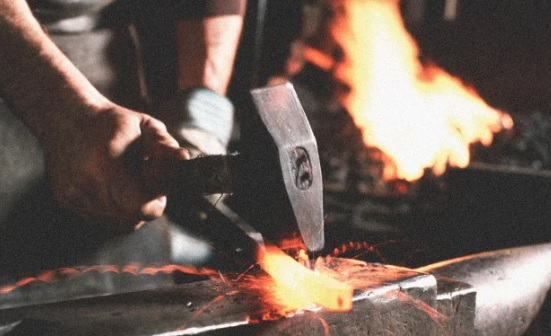
- Metals are materials characterized by their hardness, opacity, the shine of polished surfaces, and the ability to be processed by forging or casting. To shape objects, metals are used in alloys with other metals or in compounds with nonmetals.
- Due to their hardness and the laborious processing, metals have always had the character of a noble material in which the highest achievements of manual artistic skill have been achieved.
- Some of the metal craft products are (but not limited to): gates, fences, knives, axes, tools, etc.
CERAMICS – CLAY (POTTERY) AND PORCELAIN
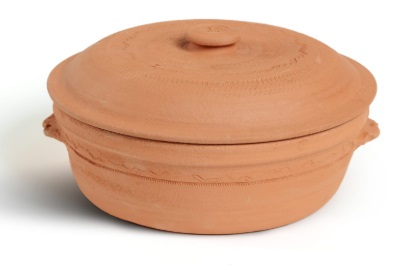
- Pottery is a craft that involves making objects from clay, most often dishes. This art, also known as ceramics, has deep roots and is one of the oldest crafts in the world. Pottery products are made manually by skillful hands.
- Main dishes are: pots for cooking, cups, candlesticks, plates, bowls, etc. …
- Building upon the decades of mastery by village Zlakusa artisans, Zlakusa pottery was officially inscribed on the UNESCO Representative List of the Intangible Cultural Heritage of Humanity in 2020.
LEATHER
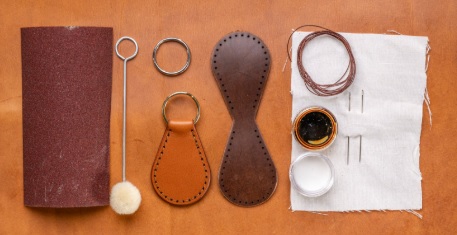
- Leather is a material of natural origin, as it is made from animals. It is mainly made from the skins of domestic animals, such as cattle, sheep, goats, pigs, horses, and camels. It is characterized by very high quality and durability.
- Napa leather – refers to soft and strong goat, sheep, or cowhide, and the name comes from the Californian city of Napa. It is most often used for making leather goods.
- Velour leather – cowhide, sheepskin, calfskin, pigskin, or goatskin whose fleshy part is finely sanded and treated. Suede leather or velour (turned leather, brushed leather) has a plush appearance and is most often used for making leather bags (men’s and women’s).
- Nubuck leather – solid-colored cowhide with a sanded front side that gives the leather a beautiful, characteristic tousled look and feel.
ON THE FOLLOWING LINKS, YOU WILL FIND THE TRUE MASTERS IN THESE FIELDS ↓
SERBIAN TEXTILE HANDICRAFTS PLACED ON THE MAP


SERBIAN WOOD HANDICRAFTS PLACED ON THE MAP







SERBIAN STEEL AND METAL HANDICRAFTS PLACED ON THE MAP



SERBIAN CERAMICS (CLAY AND PORCELAIN) HANDICRAFTS PLACED ON THE MAP



SERBIAN LEATHER HANDICRAFT PLACED ON THE MAP


WHAT DOES THIS MAP PROVIDE?
- This map will show you where you can find handicraft products for yourself, your home, or maybe a perfect present for your friends and family.
- Also, you can possibly learn some of the tricks that these talented people can share with you.
“Creativity is contagious, pass it on.”
by Albert Einstein, theoretical physicist