
What are Renewable Energy Sources?
Renewable energy sources are natural resources that are always present or can be replenished naturally over a relatively short period. These sources are used to produce electrical or heat energy. The main types are solar, wind , hydropower, geothermal, tidal energy, biogas and biomass. These sources are crucial for transitioning to sustainable energy systems and reducing reliance on fossil fuels.
Serbia has built a considerable number of power plants that use renewables energy sources in recent decade. Here are shown Power Plants that use renewables and highly influence on decrease of CO2 emission, and further improve the air, water, and environment quality.
Categories of Renewable Energy Sources
On our maps there are presented following types of power plants (up to date):
SOLAR (PHOTOVOLTAIC):
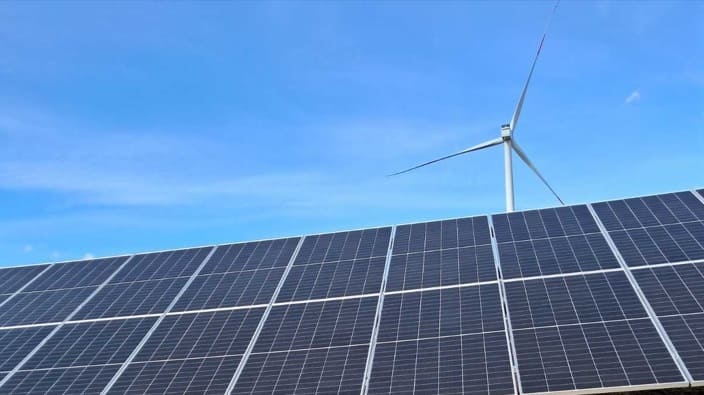
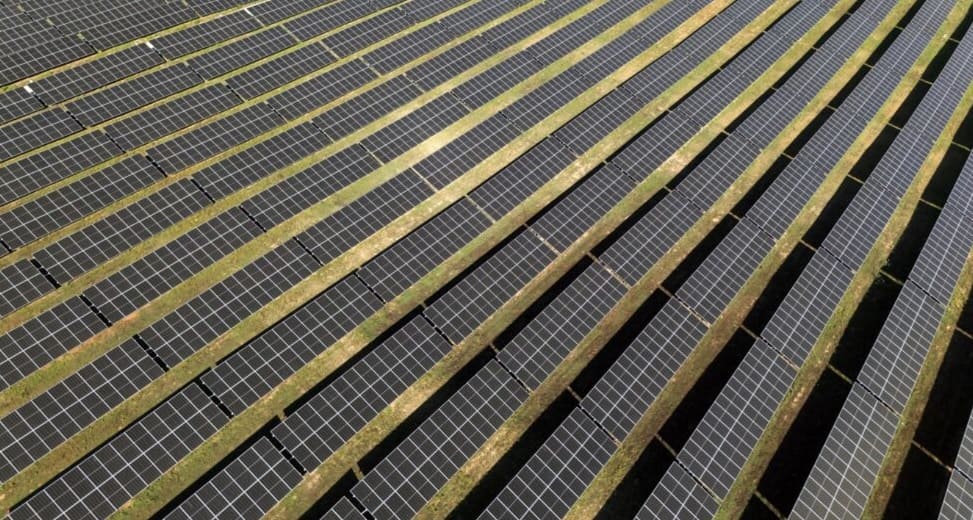
- PV solar power plants produce electrical energy via the photovoltaic effect when solar irradiation falls on semiconductor material. The main elements of PV solar power plants are PV modules that absorb solar irradiation and produce DC electricity, PV inverters that transform DC to AC electrical energy, DC & AC cables that transfer produced energy, and transformer stations that adjust the necessary voltage level of the produced electrical energy.
- PV solar plants are quiet, often attached to structures, and in some executions, they can be a perfect combination together with agriculture as Agrivoltaics.
- PV in many applications does not occupy additional space but can be attached to existing structures like building roofs, facades, carport canopies, etc.
WIND
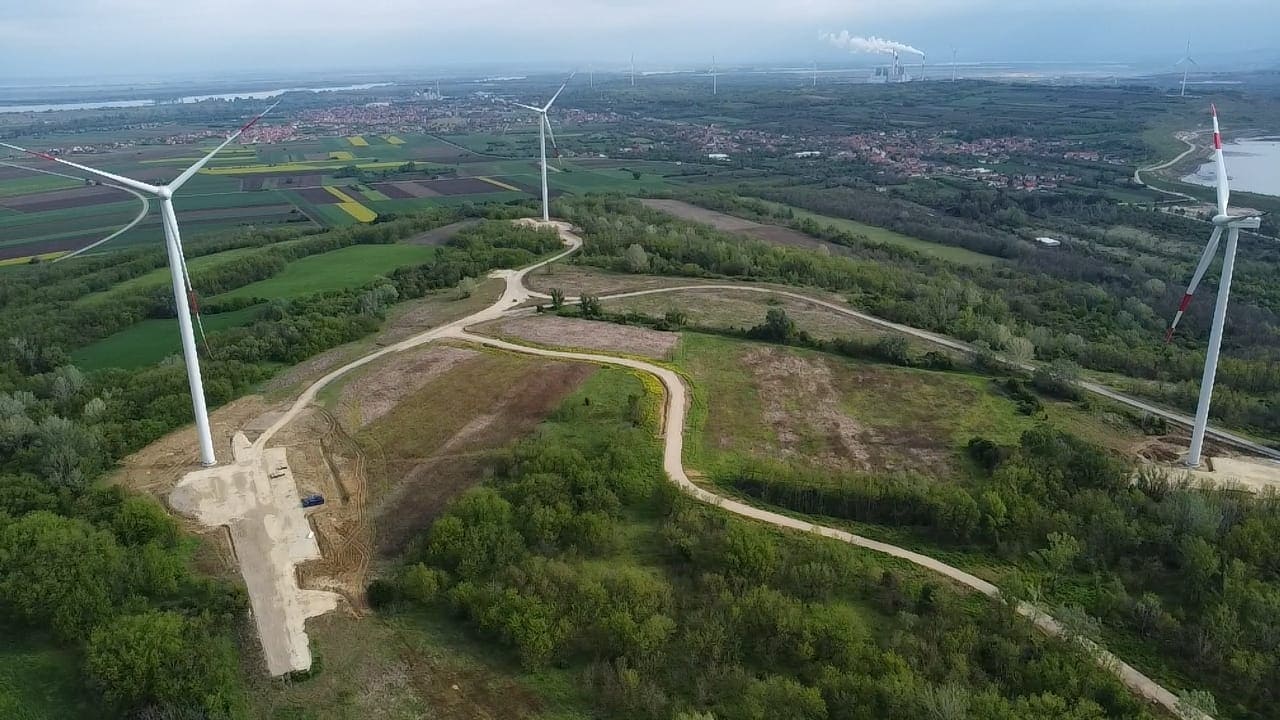
- Wind Farm Power Plants use the kinetic energy of wind and transfer it to mechanical energy via wind turbines, mostly with three blades. The mechanical energy is then transferred to electrical energy in synchronous or asynchronous generators. The generated electricity is then transmitted through a substation and via medium-voltage cables to the power grid and further distributed to final consumers.
- Wind turbines are high, as the consistency of wind velocity is higher at higher elevations.
- Some of the countries that have the possibility mount wind turbines offshore, where wind speed is higher.
BIOGAS
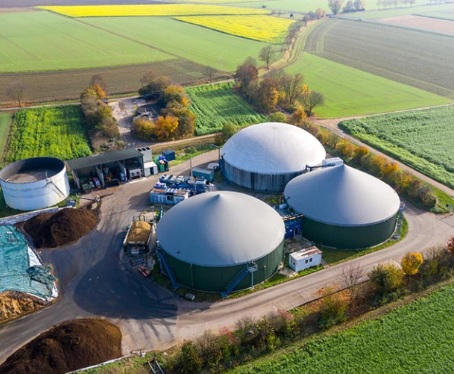
- Biogas power plants utilize anaerobic digestion to convert organic waste into biogas, a renewable fuel source that can be used for electricity and heat generation. Biogas plants have three major components that make the biogas production process possible: a gas holder, a reception area, and a digester (or fermentation tank). The biogas is then burned in a combined heat and power (CHP) unit to produce electricity and heat.
- Material for biogas power plants is usually supplied from nearby animal farms, and it is usually agricultural waste (spoiled silage), food waste, municipal waste, or energy crops.
- These power plants usually have two outputs: thermal (heat) and electrical energy. Even in some technology solutions, there can be tri-generation with additional cooling energy.
- A valuable byproduct of the whole process is also digestate, which can be used for farmland and composting.
WHAT DOES THIS MAP PROVIDE?
- Interested companies can find possible partners and observe the main data of already built power plants, which can be helpful in adopting business plans and technological solutions related to renewables.
- These facilities can present a picturesque view for taking photos.
“There must be a better way to make the things we want, a way that doesn’t spoil the sky, or the rain, or the land.” –
by Paul McCartney
an English singer, songwriter, and musician from the Beatles