
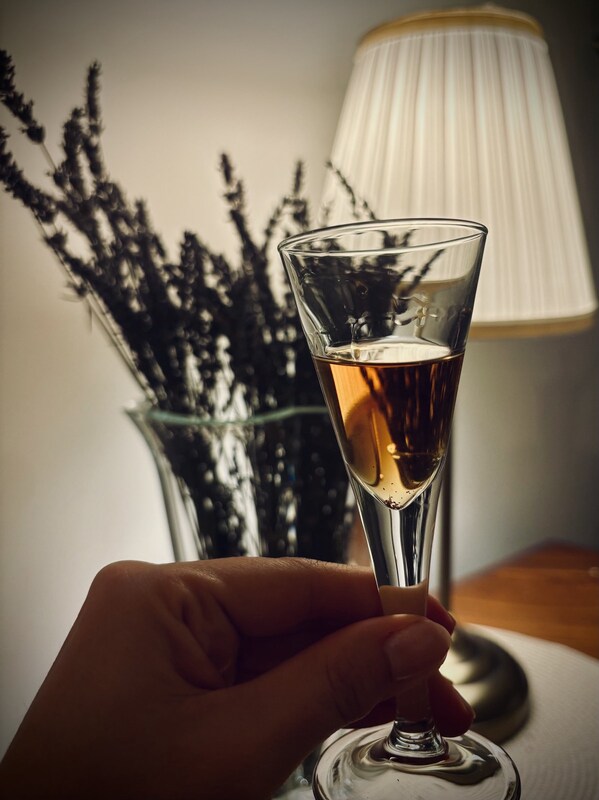
What is RAKIJA?
Rakija (Fruit Brandy) is a strong alcoholic beverage very popular in Serbia, obtained by distilling fruit; it is most often made from plums, apricots, pears, quinces, and grapes. Rakija is produced through the process of distillation, during which a fermented liquid mixture is heated, the alcohol is separated in the form of vapor, and then returned to a liquid state through cooling. Alcohol is extracted from the mixture as a compound with a lower boiling point.
The alcohol content usually ranges between 40% and 45%, and it can be stronger, such as “prepečenica”, which is obtained by redistillation.
Rakija is considered the national drink of Serbia and is popular in many Balkan countries. Rakija is an important part of the tradition and culture of this region. In the past, families were recognized by their family Rakija.
Natural Rakija is divided by the fruit from which it is made, and the following are recognized:
- Fruit Rakija (Plum, Pear, Peach, Apricot, Apple, Quince, Cherry, …)
- Grape Rakija (Brandy, Grape brandy, Pomace brandy)
- Special Natural Rakija which are enriched with ingredients (Juniper Rakija, Herb Rakija, Walnut and Honey Rakija, …)
PRODUCTION PROCESS
…..
FRUITS:
- Fruit harvesting and preparation: Only healthy and ripe fruits, such as plums, quinces, pears, apricots, or grapes, are used to make good rakija, The fruit is then cleaned and chopped.
- The absolute leader regarding fruit in making Rakija is the plum, and the product is called “Šljivovica” – the name is derived from the Serbian word for plum, “Šljiva”. There are many varieties of plum, but the highest quality ones for Rakija are local Serbian sorts or mixtures of Serbian and foreign sorts: “Požegača” is by far the best rakija variety, from which the best quality Rakija is produced, followed by “Crvena Ranka”, “Čačanska lepotica”, “Čačanska rana”, and “Čačanska rodna”.
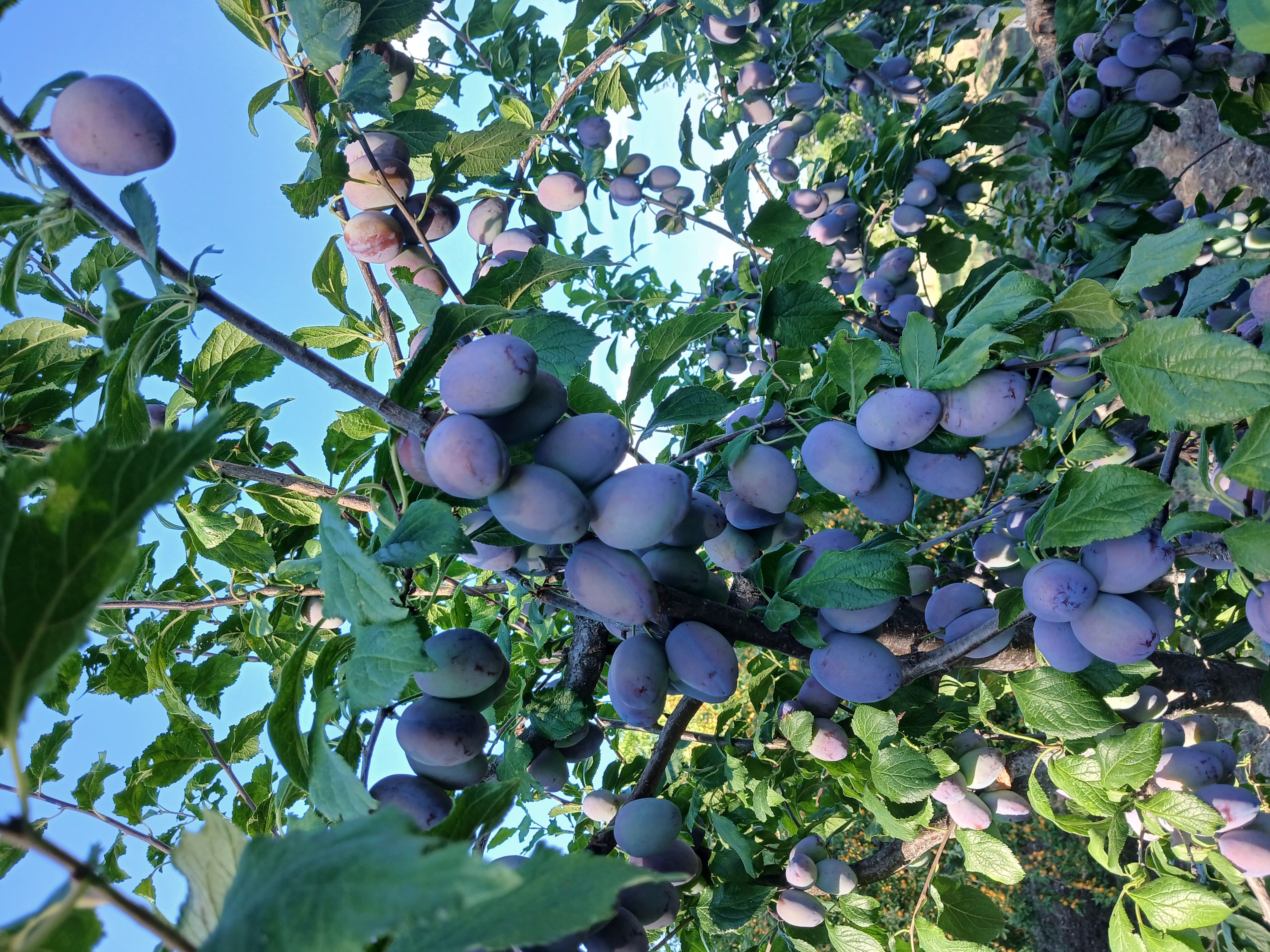
THE MOST FAMOUS PLUM VARIETIES
“Požegača (Madžarka)” – By far the best plum type for producing rakija. It blooms in mid-April and ripens in late August. The fruit is oblong, with the mesocarp (pulp) ranging from yellowish-green to golden yellow. It is a freestone variety (the flesh separates easily from the stone). The variety is resistant to low temperatures, but unfortunately, it is susceptible to the Plum Pox Virus (“Šarka”), which has significantly reduced its presence across Serbia.
“Crvena Ranka” – Crvena Ranka represents the oldest traditional plum variety for brandy production in Serbia, found in nearly all regions. Harvesting occurs in the first half of August with high yield potential. The fruit is small (up to 15g) but intensely aromatic. Regrettably, this cultivar is also susceptible to the Sharka virus (Plum Pox Virus).
“Čačanska rana” – “Čačanska Rana was created in 1961 by crossing Wangenheim’s Early (Wangenheims Frühzwetsche) and Požegača, and was officially recognized as a variety in 1975. The fruit is oval-shaped, violet-blue in color, and quite large, weighing between 40 and 65 grams. The mesocarp (flesh) is firm, sweet, and aromatic.”
“Čačanska lepotica” – Čačanska Lepotica was also created through crossing in 1961 in Čačak; it was officially recognized in 1975 and protected in 1991. It is self-fertile and does not require pollinators. It bears fruit regularly and yields an abundant crop. It ripens in late June. The fruit is dark blue, oval-shaped, and weighs between 30 and 40 grams. The mesocarp (flesh) is firm, aromatic, and has a sweet-tart flavor.
“Čačanska rodna” – Čačanska Rodna was created by crossing the Stanley and Požegača varieties. It is self-fertile. It ripens in late August and yields an abundant crop. The flesh is firm, juicy, and aromatic. It is a freestone variety, meaning the stone separates easily from the flesh.
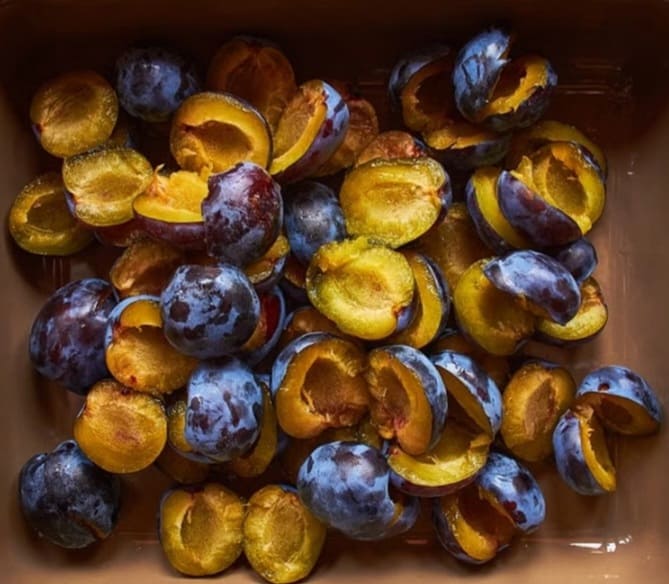
FERMENTATION
- Fermentation (boiling): The chopped fruit is left to ferment naturally, which can last from two to six weeks, mostly 21 days. During this process, the natural sugars in the fruit are converted into alcohol.
- Fermentation takes place best at temperatures between 20–25°C. High temperatures can slow down fermentation or lead to the growth of unwanted microorganisms, while low temperatures can delay or halt the fermentation process entirely.
- Other factors influencing proper fermentation include the amount of sugar, the amount of yeast, the pH value, and the level of oxygen.
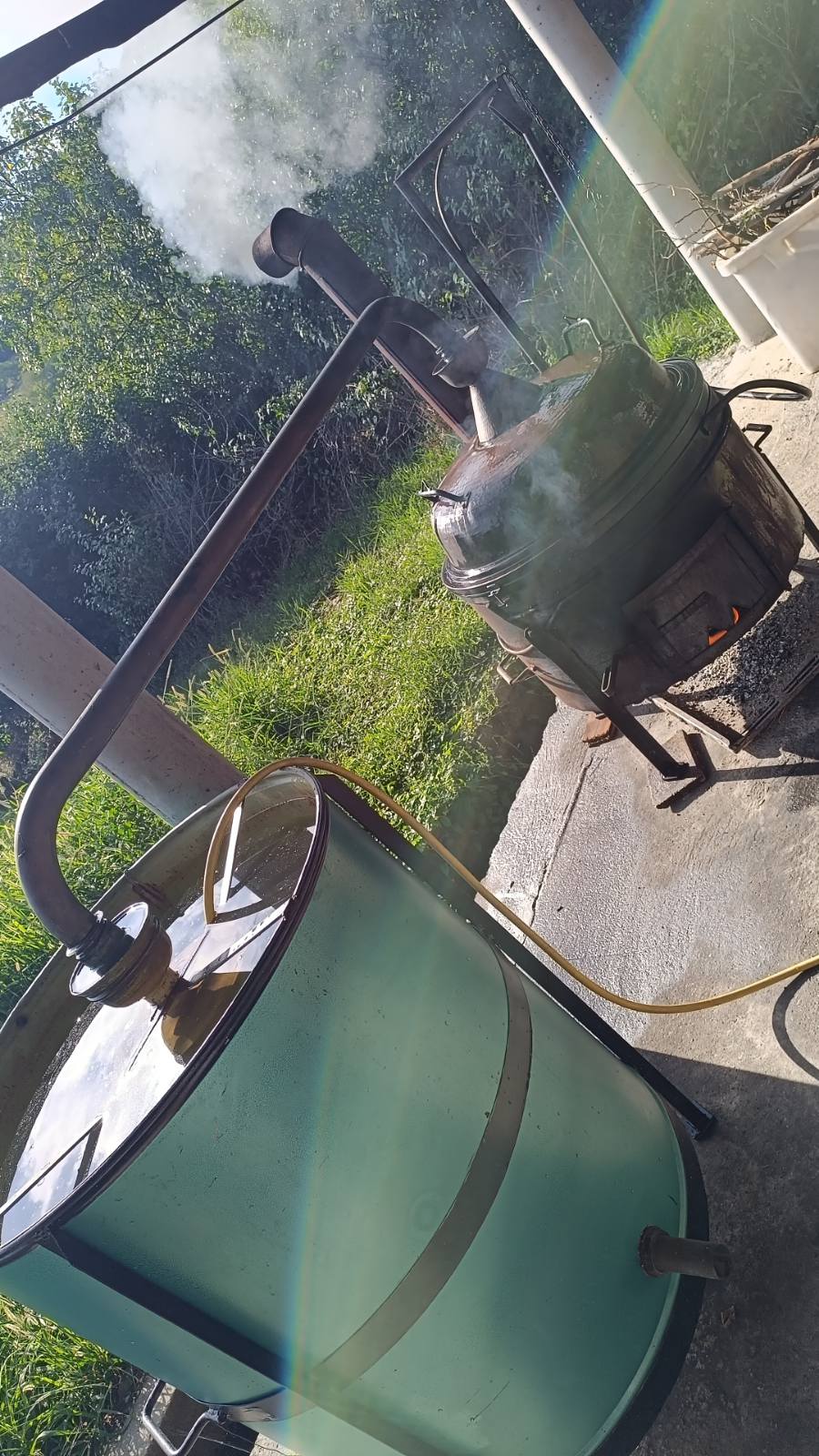
DISTILLATION
- Distillation (boiling): The fermented pomace is heated in traditional copper or modern steel kettles. First distillation: The result is a weaker distillate, known as “mekuša”. Second distillation (prepek): The meka rakija is distilled again. In this process, the parts are carefully separated:
- First part: The first part of the distillate, which is discarded because it contains methanol and other unwanted substances.
- Middle part: The highest quality part, which is collected as rakija.
- Last part: The last part of the distillate, which is also discarded because of its lower quality.
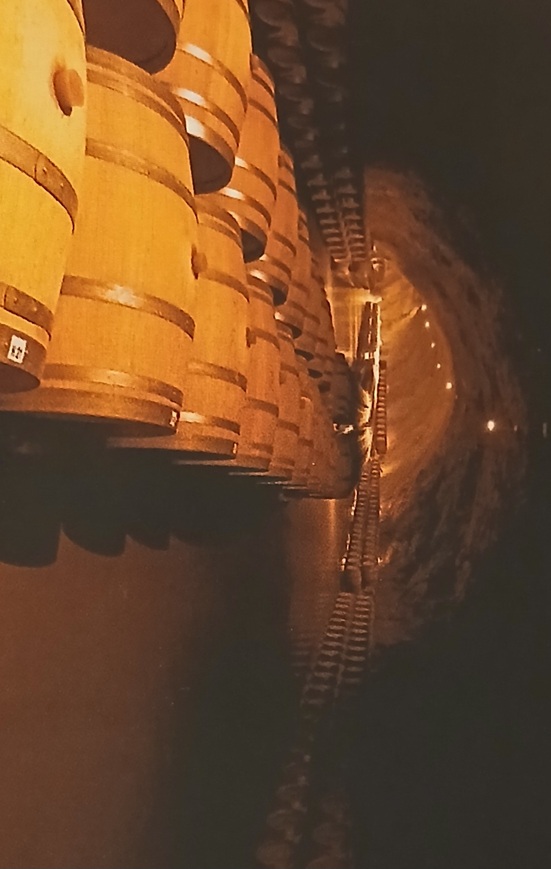
AGING OF RAKIJA
- The aging of rakija is a process that contributes to its maturity, flavor, and aroma. Quality Rakija can be aged in glass containers; however, premium Rakijas are aged in oak barrels, which add color and additional aromas. During this process, the rakija is stored in wooden barrels to allow the alcohol and other substances to react with the wood, giving the spirit its unique taste and smell.
- The aging can last from several months to several years, depending on the type of brandy and the desired flavor.
- Other essential factors in the aging process of rakija include barrel selection, aging duration, storage temperature, and quality control.
AND BIT MORE ABOUT RAKIJA>>
THE MOST EXPENSIVE RAKIJA ON SERBIAN MARKET
Distillery EMPERUS, Rakija “EMPERUS Reserva Antica”, 30 years old: 2981 €
Distillery DEDOVA RAKIJA “Luxury plum brandy – 18 years old”: 2087 €
Distilelry EMPERUS, Rakija “EMPERUS Privilège”, 25 years old: 680 €
Distillery Bojkovčanka, Rakija “Jubilej 40”: 565 €
Distillery POD MIRNIM KROVOVIMA, Rakija “Uteha Naša Protocol”: 383 €
Distillery POTPIS, Rakija “Potpis XO Arhiva”: 255 €
Distillery ZAVET, Rakija 190 Limited Edition: 230 €
Distillery EMPERUS, Rakija “EMPERUS 18”: 212 €
Distillery TOK, Rakija “Zlatni Tok 15”: 178 €
Distillery BOSILJČIĆ, Rakija “Ekselencija 15 years”: 177 €
Distillery MOMIROVIĆ, RAKIJA “X Leta (10 Summers): 166 €
Distillery PROKOVAČA, Rakija “Domaćin”: 153 €
Distillery PRUNA, Rakija “Single Barrel rakija od šljive”: 133 €
Distillery EMPERUS, Rakija “Victory, quince, barique 10 years”: 124 €
RAKIJA COMPETITION
The most famous Rakija competition is organized by the Fruit Research Institute in the city of Čačak, and it has been held 15 times, including this year. The experts on the jury taste and grade the participating distilleries by color, clarity, typicality, smell and taste, using their technical knowledge and wide experience. Maximum grade is 20 and all grades above 18.50 represent high quality Rakija and are awarded by Big gold medal. The Fruit Research Institute published its first scientific work about Šljivovica 70 years ago, and its first book about 60 years ago. Since its establishment, the Čačak Fruit Research Institute has created 18 plum varieties, many of which are woven into the top-quality brandies that participate in the competition. The Institute works intensively to preserve the indigenous plum varieties on which the reputation of plum brandy was built. At the beginning of the 21st century, thanks to the Institute, plum brandy was declared a product of national importance for the first time. Finally, plum brandy was inscribed on the UNESCO Intangible Cultural Heritage List in 2022.
The city of Čačak is to Šljivovica what Cognac is to France or Edinburgh is to Scotland.
Most producers proudly say that their families have been producing rakija for decades; however, in the last 10-20 years, this long-lasting knowledge has been turned into modern production of rakija in high-quality distilleries, with proper certification.
THERE IS SO MUCH MORE THAT CAN BE LEARNED ABOUT RAKIJA ON THE FOLLOWING LINKS TO THE REAL EXPERTS IN THIS FIELD ↓
CURRENTLY, 146 DISTILLERIES PRODUCING HIGH-QUALITY RAKIJA ARE FEATURED ON OUR WEBSITE
SERBIAN DISTILLERIES WITH RESTAURANTS TO VISIT OR DEGUSTATION POSSIBILITY, PLACED ON THE MAP (IN ALPHABETICAL ORDER BY THE NAME OF THE DISTILLERY)

























SERBIAN DISTILLERIES TO TRY AND BUY CRAFT RAKIJA, PLACED ON THE MAPS (IN ALPHABETICAL ORDER BY THE NAME OF THE DISTILLERY)


















































































































WHAT DOES THIS MAP PROVIDE?
- Serbian citizens and foreign visitors have a list of distilleries with locations to visit and try the best Serbian Rakija. Also, via online shop there can be easily purchased some of the finest products.
- Restaurant, cafe, and bistro owners have the opportunity to contact producers and make possible cooperation by adding rakija of listed distilleries to their menu.
- Manufacturers of equipment for producing rakija, like wood barrels, cauldrons, etc.. can also contact distilleries and offer their products.
- Companies can contact producers to order branded rakija featuring their company logo, making it a perfect business gift.
QUOTES BY FAMOUS PEOPLE:
“There’s nothing a good plum rakija can’t explain to a man, and there’s no sorrow it can’t ease. That’s our philosophy poured into a glass.” —
Momo Kapor, Serbian painter and writer (who often wrote about the Belgrade spirit, pubs, and homemade brandy as a ritual)
“Rakija is to a Serb what wine is to a Frenchman, and whisky to a Scot — with the difference that our brandy is prepared with soul and drunk with pride.” —
Duško Radović, Serbian children’s writer (in the spirit of his chronicles about Belgrade)
“A man drinks to forget, and a Serb drinks rakija to remember who he is, where he’s from, and where he’s going.” —
Miloš Crnjanski, Serbian writer (from notes on mentality and travels)