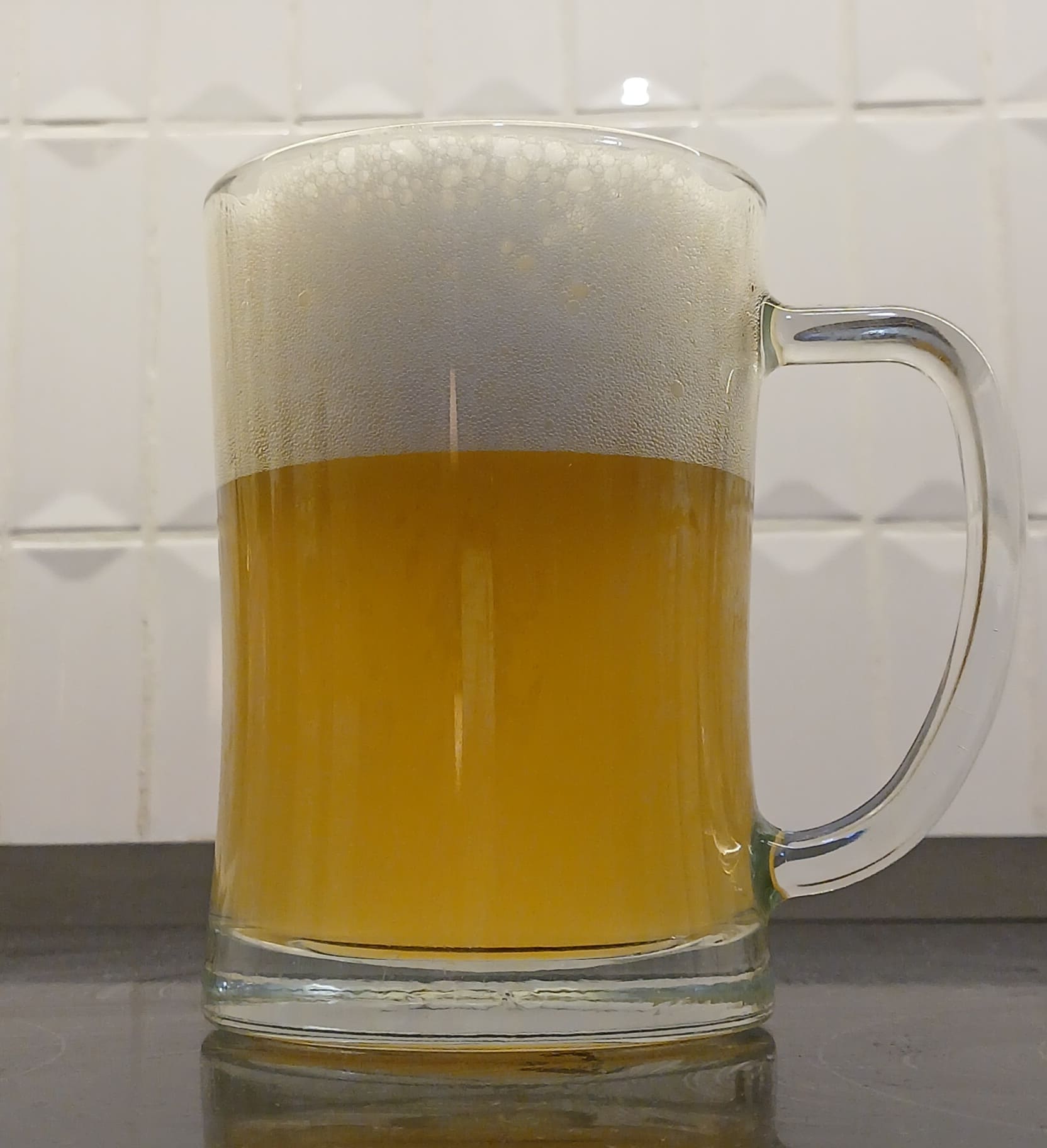
What is Craft Beer?
Craft beer is beer produced by small, independent breweries, often focused on the quality and variety of flavors rather than mass production. It is characterized by the use of high-quality ingredients, traditional production methods, and often the absence of filtration and pasteurization.
Every craft beer has its own unique story, character, design, and clear visual distinction.
CRAFT BEER INGREDIENTS
There are 4+1 main craft beer ingredients, and that are:
WATER
- Water represents more than 90% of beer. The water should be free of chlorine and other harmful substances, but it should still contain traces of minerals. These minerals are important for the fermentation process and help “feed” the brewer’s yeast.

HOPS
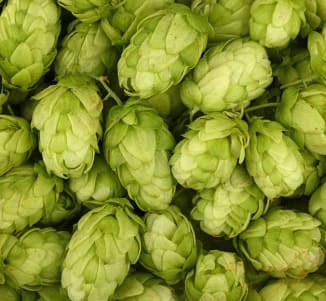
- Hops is the ingredient in beer that provides its backbone of bitterness, increases its microbiological stability, helps stabilize its foam, and greatly influences its taste and aroma.
- The most famous hops are American (Cascade, Citra, Mosaic, and Simcoe), English (East Kent Goldings, Fuggles, Target), German (Hallertauer Mittelfrüh, Tettnanger), and Czech Hops (Saaz).
MALT
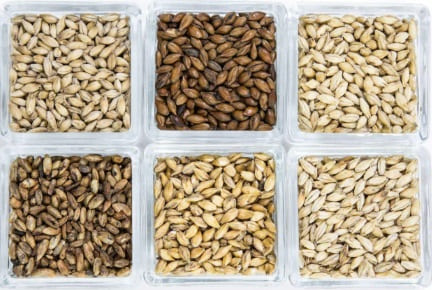
- The most common source of malt in beer production is malted barley, but there are many breweries that use oats, wheat, rye, rice, or corn. Barley malt consists of barley grains that have been soaked in water until they begin to swell and grow. They are then used as a source of fermentable sugar, which is a very important food for yeast.
BEER YEAST
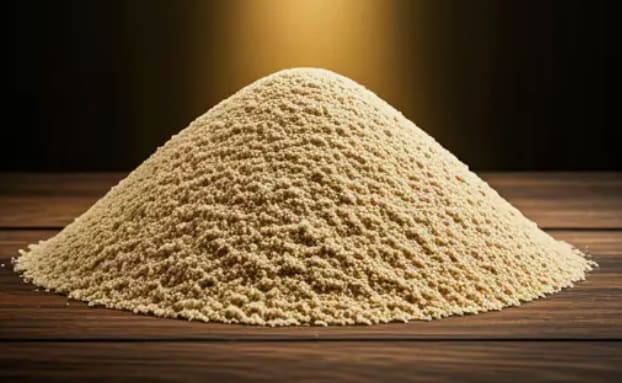
- Brewer’s yeast is what really makes beer, beer. Without yeast, there would be no alcohol, and without alcohol, you would just have a strange, sugary brown liquid. Brewer’s yeast is what creates alcohol from fermented sugar.
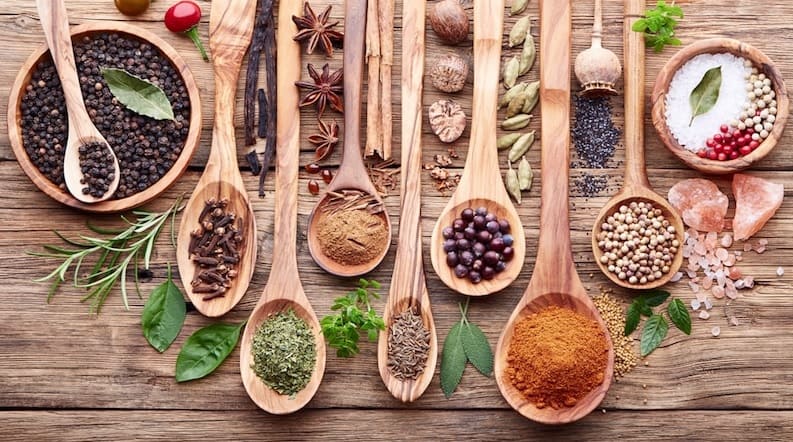
(EXTRA) AROMAS
- Beer aromas refer to the smells of beer, which are key to its characteristics and quality.
- Usual aromas are: Hoppy, Fruity, Floral, Spicy/Peppery, Earthy, …
- Most often, beers can have special notes of fruit, coriander, cinnamon, or cloves.
PROCESS OF PRODUCTION:
MALTING → MILLING →MASHING → BREWING → COOLING →FERMENTING →MATURING
AND BIT MORE ABOUT CRAFT BEER >>
WANT TO LEARN MORE ABOUT THE MAIN TYPES OF BEER ?
I LAGER BEERS
Lagers are the refined, smooth, and crisp members, taking their time to develop at colder temperatures as the yeast falls to the bottom.
- Pilsner: Light in color, light and refreshing, with a slight bitterness.
- Dunkel: Dark beer with a pronounced malt flavor and a slight bitterness.
- Bock: Stronger beer, full-flavored and darker in color.
- Oktoberfest: Medium-dark in color, stronger and fuller in flavor than a regular lager.
II ALE BEERS
Ales are like the expressive, often bolder, and sometimes fruitier members of the beer family, fermenting quickly and at warmer temperatures as the yeast rises.
- Pale Ale: Lighter in color, often with fruity and floral aromas, and moderate bitterness.
- India Pale Ale (IPA): Stronger bitterness and more pronounced hop aromas, often with citrus or tropical fruit notes.
- Stout: Dark in color, often with aromas of coffee, chocolate, and licorice.
- Porter: Dark in color, similar to a stout, but with less bitterness and a more pronounced malt flavor.
- Amber Ale: Medium-dark in color, with a malty flavor and fruity notes.
WANT TO SEE TIPS FOR DRINKING BEER ?
DRINK BEER FOR PLEASURE AND EXPERIENCE, IN PLEASENT COMPANY; ALWAYS BE RESPONSIBLE!
- Start with a Sour, Lager, or Ale
2. Then an IPA, Double IPA, Belgian, or Wit
3. For the end, a Porter, Stout, or Barrique beer
WANT TO FIND OUT ABOUT MOST SUITABLE BEER GLASSES ?
- Beer Mug (Krigla) – Most likely the first association with beer and making a toast. A beer mug is a heavy, large glass that allows for clinking without the fear of breaking. The handle prevents the hands from warming up the beer, while the thick glass preserves its temperature longer. Light lagers, porters, and similar beers are typically drunk from a mug.
- Wheat Beer Glass (Čaša za pšenično pivo) – Beautiful, tall glasses that widen near the top are the best choice for pouring wheat beer. This shape accentuates all the aromas of wheat beer and allows for the formation of a thick, long-lasting head (foam).
- Tulip Glass (Čaša u obliku lale) – The purpose of this glass shape is to trap the aromas released by the beer. The stem serves to prevent the beer from warming up. It is ideal for pouring Ales.
- Goblet / Chalice (Pehar) – Due to its massiveness, this glass shape prevents an overly thick head from forming, but it allows you to catch all the aromas with your nose while drinking. It is ideal for Ale styles.
- Pinta (Pint Glass) – The pint is a classic glass for serving beer in pubs; it is practical for stacking and straightforward to drink from. As a universal pub glass, it is suitable for various types of beer.
- Pilsner Glass (Pilsner) – The Pilsner glass comes in various designs, but they all share the ability to preserve the beer’s carbonation and head for a long time. These glasses may or may not feature an elegant stem.
WANT TO READ TRIVIA ABOUT CRAFT BEER ?
- Did you know that craft beer is actually brewed/cooked/boiled?
- Did you know that craft beer is neither filtered nor pasteurized?
- “Gypsy brewing” is a business model where a brewer doesn’t own the brewery, but instead, goes to existing breweries and “rents” their equipment and space to produce their own recipes.
- European craft beers are more focused on malt, while US craft beers rely more on hops.
THERE IS SO MUCH MORE THAT CAN BE LEARNED ABOUT CRAFT BEERS ON FOLLOWING LINKS TO THE REAL EXPERTS IN THIS FIELD ↓
CURRENTLY ON serbiamaps.com/ YOU WILL FIND:
26 CRAFT BREWERIES TAPROOMS,
25 BREWERIES,
10 PUBS & SHOPS THAT SERVE CRAFT BEER AND
10 FESTIVALS DEDICATED TO BEER
SERBIAN CRAFT BREWERIES WITH TAPROOMS TO VISIT, PLACED ON THE MAP


SERBIAN CRAFT BREWERIES PLACED ON THE MAP
SERBIAN PUBS & SHOPS TO TRY AND BUY CRAFT BEER, PLACED ON THE MAP